Ransomware and the Cloud: Why Traditional Backups Are Failing
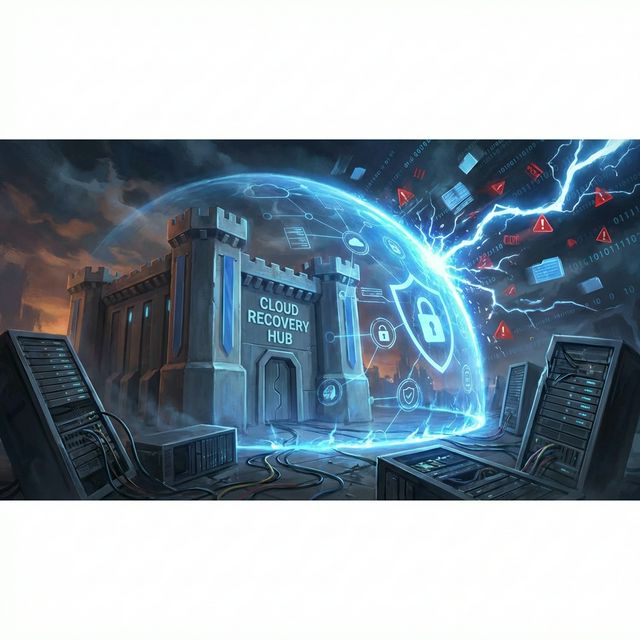
If your backup strategy relies solely on tape drives or network-attached storage (NAS), a sophisticated ransomware attack will destroy your backups before it even touches your production data.
Modern ransomware gangs do not immediately encrypt files. They lurk in networks for an average of 14 days, specifically hunting for backup servers. Once they compromise administrative credentials, they delete the shadow copies and corrupt the backups, leaving the organization with no option but to pay the ransom.
The Necessity of Immutable Storage
The only defense against advanced ransomware is immutable cloud storage. Immutability guarantees that once data is written, it cannot be altered or deleted for a specified period—not by a hacker, not by a disgruntled employee, and not even by a global domain administrator.
💡 Key Takeaway
A true disaster recovery plan requires an air-gapped, immutable cloud vault. If your backups sit on the same active directory domain as your production servers, they are not secure.
RTO vs. RPO: Know Your Metrics
Recovery Time Objective (RTO) is how long you can afford to be down. Recovery Point Objective (RPO) is how much data you can afford to lose. If a server dies at 4 PM, and your last backup was at midnight, your RPO is 16 hours. Modern Disaster Recovery as a Service (DRaaS) solutions offer continuous data protection (CDP), bringing RPOs down to mere seconds.
In the event of a total site loss, DRaaS allows you to spin up virtual replicas of your entire infrastructure in the cloud within minutes, ensuring business continuity while the physical hardware is replaced.

Ready to Implement AI in Your Business?
Our experts can help you build an implementation roadmap tailored to your specific infrastructure.