Edge Computing: Bringing the Cloud Closer to the Action
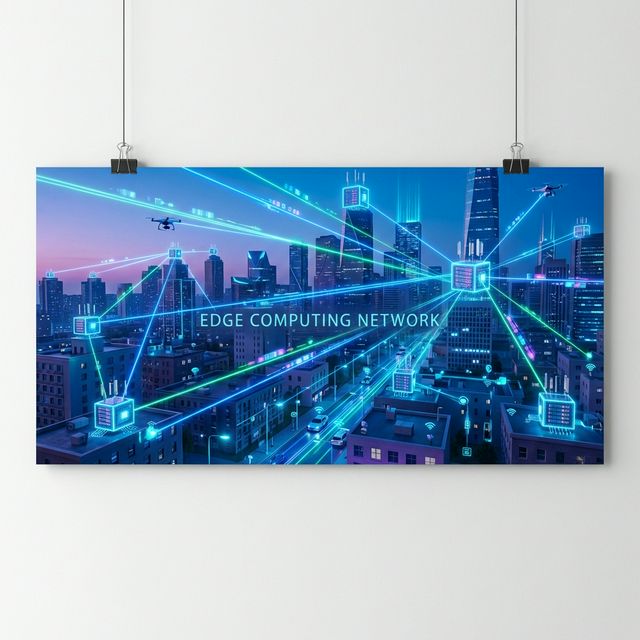
When milliseconds matter, sending data back and forth from IoT devices to a centralized cloud data center is neither fast nor cost-effective enough. Edge computing is the solution.
Consider a modern manufacturing plant utilizing automated robotics and computer vision for quality assurance. The high-definition cameras capture gigabytes of video per minute. Sending this vast amount of unstructured data back to a centralized AWS region in Virginia simply to check for a 2-millimeter defect on a part introduces latency that a production line cannot tolerate.
Processing at the Source
Edge computing solves this by placing small, ruggedized physical servers directly on the factory floor (or in the retail store, or at the hospital). These edge devices run the AI inference models locally in real-time. They make the split-second decision to discard a bad part, and then only transmit the lightweight metadata—such as "15 defects found today at 2 PM"—back to the central cloud reporting dashboard.
💡 Key Takeaway
Edge computing dramatically reduces cloud egress bandwidth costs while ensuring that critical physical systems can continue to operate autonomously even if the primary internet connection goes down.
The Challenge of Fleet Management
The downside of edge computing is that you are essentially re-distributing hardware across thousands of physical locations. Managing the security patches, operating system updates, and container deployments for these remote servers requires mature orchestration tools like Kubernetes.
As 5G networks become ubiquitous, the line between the edge device and the cloud provider will continue to blur, ushering in localized computing capabilities that were previously considered impossible.

Ready to Implement AI in Your Business?
Our experts can help you build an implementation roadmap tailored to your specific infrastructure.